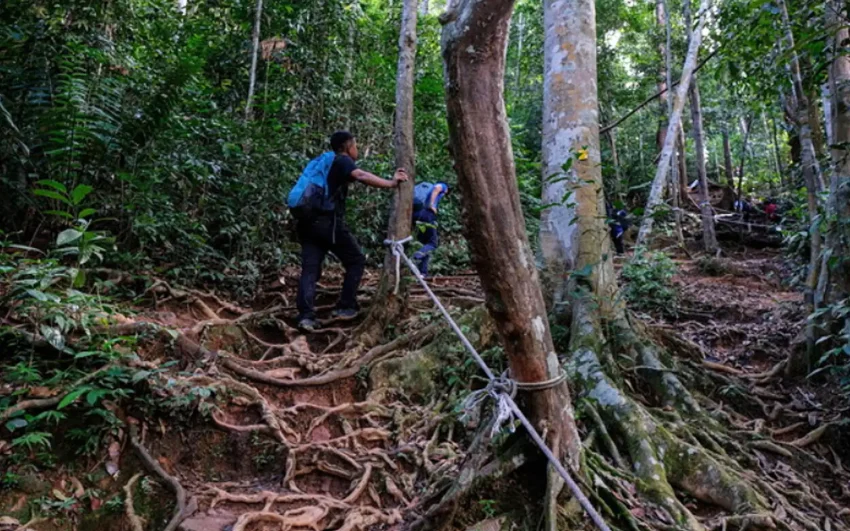
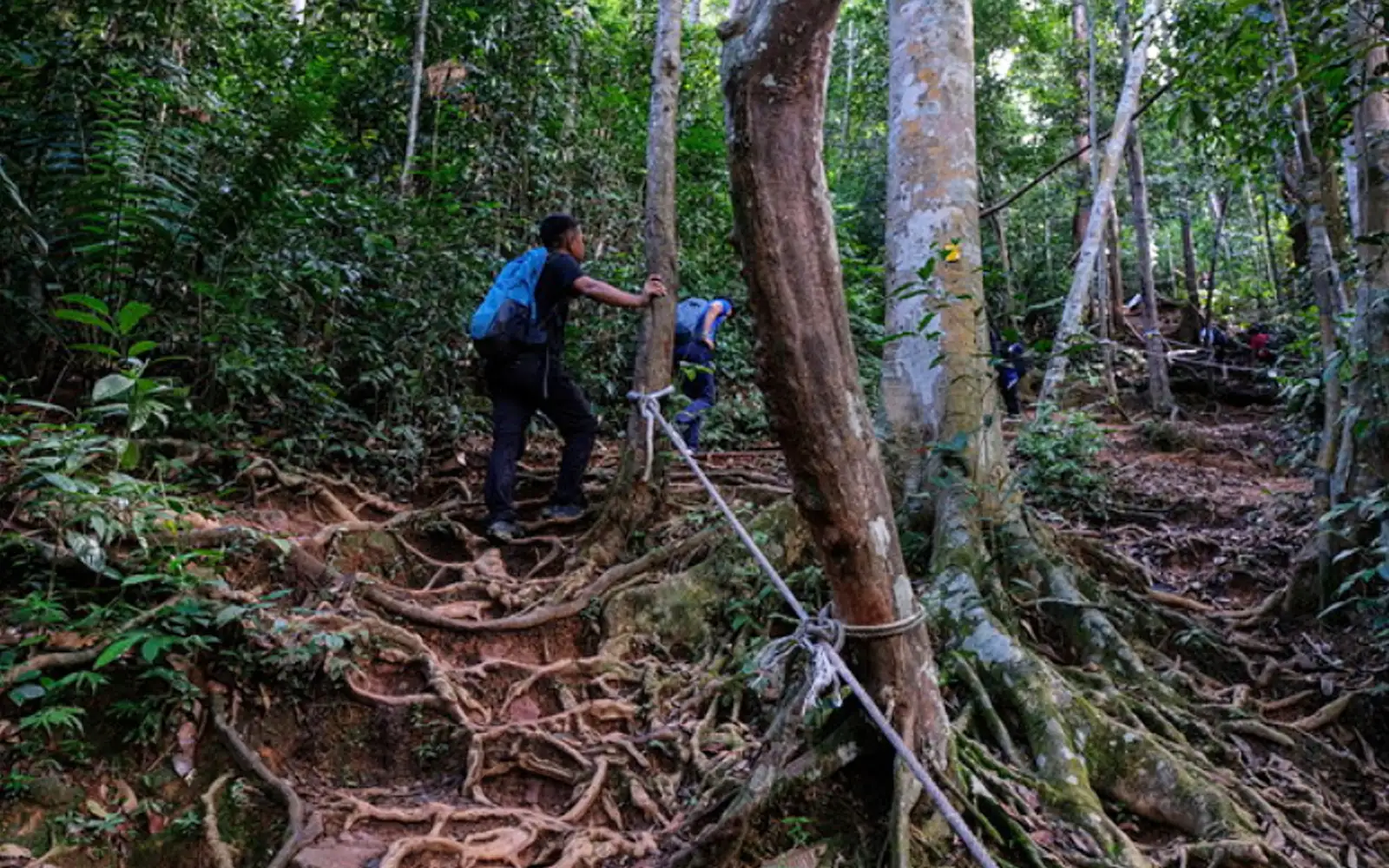
KUALA LUMPUR: The natural resources and environmental sustainability ministry is tightening controls on hiking activities nationwide, including restricting “day hikes” or “compressed hikes” in high-risk mountainous areas, to reduce accidents and the need for costly search and rescue (SAR) operations.
Its deputy minister, Syed Ibrahim Syed Noh, said some hikers continued to underestimate the importance of proper preparation, while others were driven by social media trends or ventured onto unauthorised trails, increasing the risk of emergencies and getting lost in the forest.
“The government’s priority is to reduce the risk of hikers getting lost and prevent accidents, thereby minimising the need for SAR operations, which require substantial financial resources and manpower.
“Our approach is aimed at preventing incidents before they occur by reducing the risk of extreme fatigue, disorientation and other emergencies,” he said during the question-and-answer session in the Dewan Negara today.
He was responding to Senator Redzuan Othman, who asked about measures to improve hiker safety and reduce incidents that place a financial burden on government SAR operations.
Syed Ibrahim said the Perak forestry department had banned “compressed hike” activities in high-risk areas, while the wildlife and national parks department had implemented similar restrictions at ecotourism sites under its jurisdiction.
He said the government was also strengthening pre-climb screening procedures by requiring health declarations, medical history checks and insurance coverage, while proposing screening for symptoms of high altitude illness and acute mountain sickness, particularly for climbers attempting to scale Mount Kinabalu in Sabah and Mount Tahan in Pahang.
“These measures enable high-risk climbers to be identified early before they are allowed to undertake climbing activities,” he said.
Syed Ibrahim said the federal forestry department had also made the services of forestry mountain guides (MGPs) mandatory at 189 high-risk hiking locations nationwide.
“As certified guides, MGPs play an important role in ensuring climber safety, responding to emergencies and promoting compliance with proper hiking practices,” he said.
To date, 2,322 individuals from local communities, including the Orang Asli, have been certified as MGPs through the MGP Skills Development Programme, he added.
Syed Ibrahim also said the government was developing technology-based solutions, including a geographic information system-based hiking trail management system and remote sensing capabilities in collaboration with the Malaysian Space Agency, while trials are being conducted on the use of GPS tracking devices for climbers.