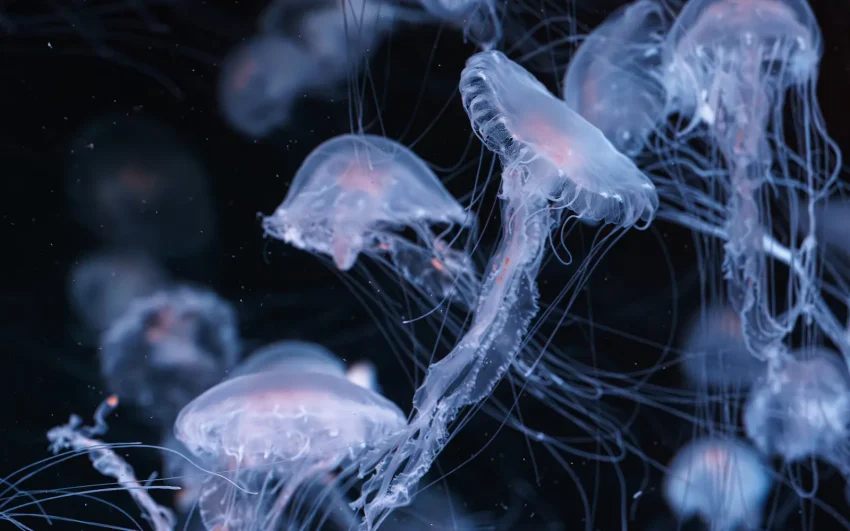

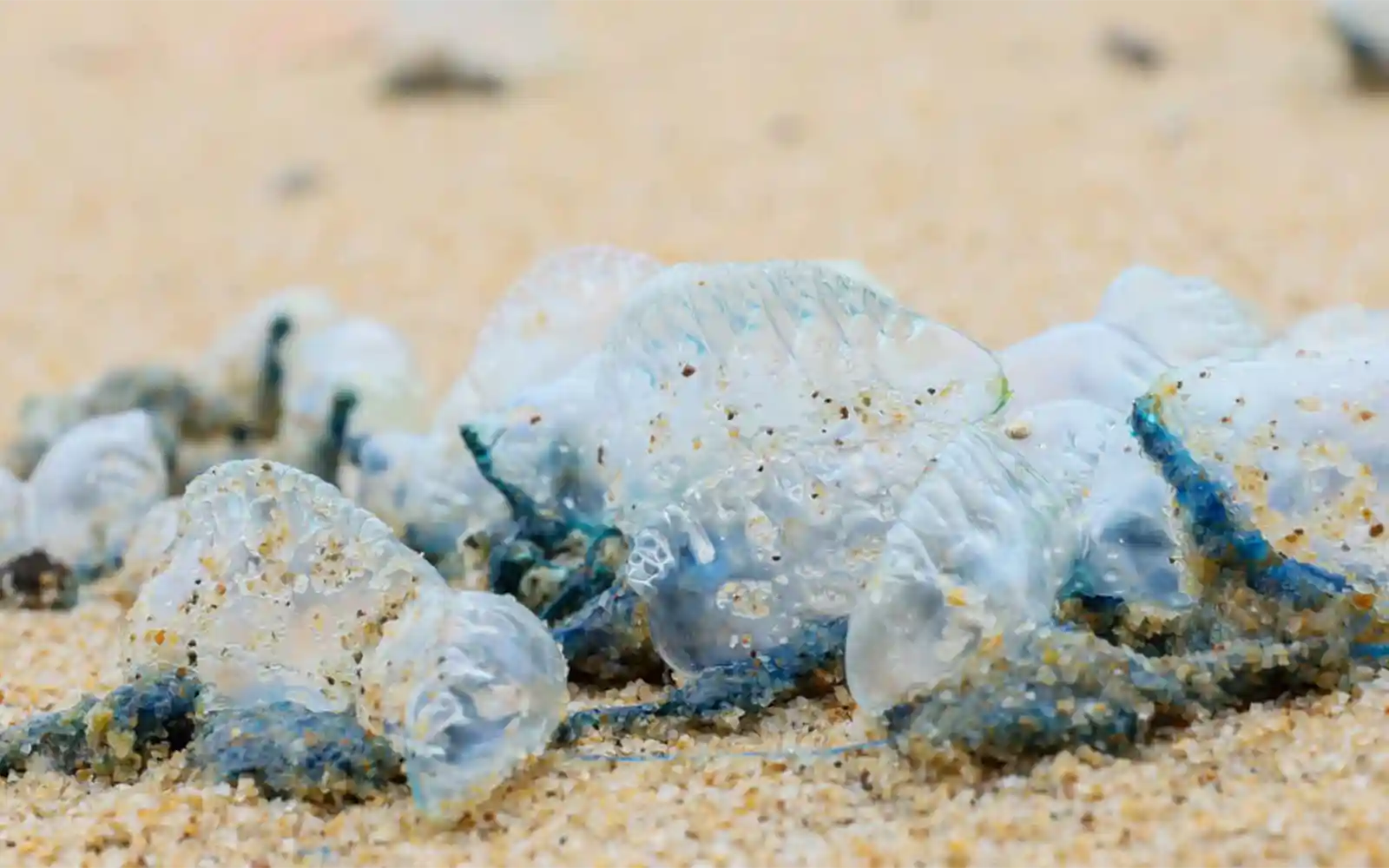
KUALA LUMPUR: Sun, sand and crystal-clear water may promise the perfect tropical escape, but an almost invisible danger could be drifting beneath the surface. A translucent piece of “plastic” may actually be a jellyfish.
While many species are harmless, others can deliver intensely painful – and potentially fatal – stings.
Experts believe jellyfish could emerge among the “biggest winners” of climate change, as warmer seas and changing ocean conditions encourage their growth and spread.
Up to 34 jellyfish species have been documented in Malaysian waters, among them the box jellyfish, one of the world’s most venomous marine animals. Its sting can cause excruciating pain, cardiac arrest and even death within minutes.
A 2011 study in the Journal of Travel Medicine documented three fatal box jellyfish stings involving tourists in Malaysia between 2000 and 2010.
Recent incidents have renewed concern. In November, a two-year-old Russian boy died after being stung in shallow water at Pantai Cenang, Langkawi.
The Langkawi Civil Defence Force subsequently reported 102 jellyfish sting cases around the island over three years, including 73 in 2024.
Last August, a seven-year-old girl died after being stung off Pantai Sawangan in Kuala Penyu, Sabah. That same month, about 30 children were stung during an open-water race at Teluk Senangin beach in Lumut, Perak.
Blooms on the rise
Universiti Putra Malaysia senior lecturer Wan Syazwan Wan Solahudin said the growing number of jellyfish blooms – sudden surges in their population – was worrying for both marine ecosystems and people.
“Some species, particularly the Portuguese man o’ war, Irukandji and Chironex species, can cause severe symptoms, complications and even fatalities,” he told Bernama.
Rising ocean temperatures can speed up the development of juvenile jellyfish, while El Niño conditions – including warmer, more acidic and oxygen-depleted water – may allow populations to flourish.
Jellyfish may also spread into new areas because they require less oxygen and food than many fish and shellfish.
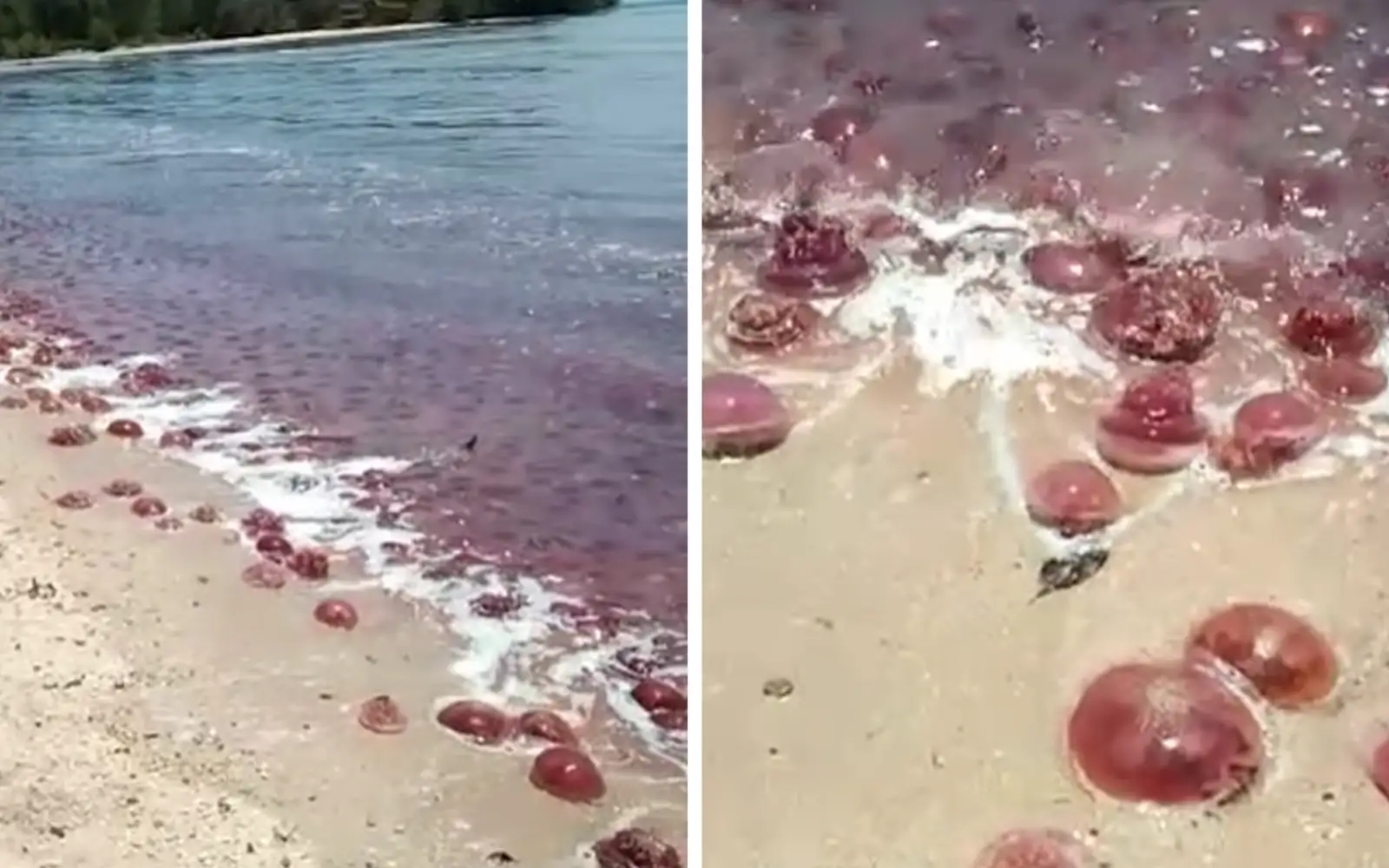
In Malaysia, blooms are commonly reported during the warmer months from January to September.
Climate change is not the only possible driver. Overfishing and artificial marine structures, including fishing stakes, fish cages and jetties, may also encourage jellyfish populations.
Despite the fact that at least 65 jellyfish blooms have been recorded in Malaysian waters since the early 1960s, they have only recently become a focus of local scientific research.
Researchers from UPM, Universiti Malaya and Universiti Sains Malaysia are studying what triggers blooms, how environmental changes affect jellyfish, and why certain species thrive only at particular times.
“We need to learn more about the life cycle and behaviour of jellyfish so that we can predict where they will appear and when,” Syazwan said.
The first few minutes matter
Box jellyfish venom can attack the heart and nervous system, causing cardiac arrest within minutes. Emergency physician and clinical toxinologist Ahmad Khaldun Ismail said public awareness and emergency preparedness could help prevent deaths.
Beachgoers should recognise the signs and begin cardiopulmonary resuscitation immediately while waiting for an ambulance.
“If the heart stops, you have roughly four minutes before brain damage begins. Without CPR for about 10 minutes, the chances of meaningful recovery become very slim.”
He also urged beach operators and local authorities to ensure lifeguards and first responders are trained in basic life support.
Additionally, the authorities should report jellyfish incidents consistently so beaches with recurring cases can be identified and warning signs installed.
Families entering waters known for jellyfish activity are further encouraged to wear Lycra stinger suits.
At an international swimming event in Penang, making such suits compulsory reportedly reduced sting cases from about 90% to 5%.
What not to do after a sting
Ahmad Khaldun called on the public to abandon unproven remedies such as applying urine, sand or soft drinks to the sting area.
“Visible tentacles should instead be rinsed away gently using seawater before immediate medical treatment is sought,” he said.
Malaysia does not produce its own box jellyfish antivenom. The treatment is manufactured in Australia and stocked only at selected hospitals in coastal areas with a history of severe cases.
Supplies are currently available at hospitals in Sabah, Penang and Langkawi. Each facility keeps only a small number of vials because the antivenom is expensive and only has a shelf life of about two years.
Not every sting requires antivenom, Ahmad Khaldun stressed, and its effectiveness in severe cases continues to be evaluated.
For beachgoers, the message is not to fear the sea but to stay alert to local warnings, take simple precautions and know how to respond if a sting occurs.