
From Linza Wells
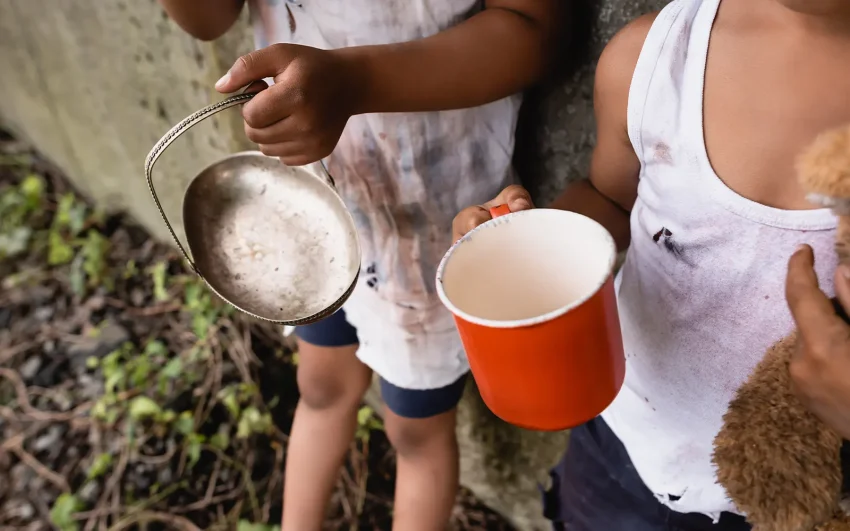
Recently while having lunch at an eatery in town with a friend, we were approached by a young child of eight or nine begging for money.
He did not sound Malaysian although we guessed he tried to blend in by wearing a local traditional top.
It would seem at a glance he might have been a Rohingya refugee child who was wandering the streets by himself, going from table to table. We bought him a drink and he happily sat down to finish it.
He should have been in school along with other children his age, trying to do his multiplication tables or spelling, paint and play a game of football on the playground.
As a child who had the misfortune to be born to a refugee, he has no right to an education here.
From a humanitarian perspective, the right to a basic education is absolute, universal, and non-negotiable.
As a signatory to the United Nations Convention on the Rights of the Child (UNCRC), Malaysia has a moral and global obligation to protect all children within its borders, regardless of their documentation status.
Education is not a luxury or a reward for legal citizenship; it is a basic human necessity.
Grey area
The recent raids and closures of alternative learning centres for refugee children in Alor Setar and Terengganu underscore a distressing trend.
While local councils and authorities cite zoning by-laws, commercial permit violations, and a lack of formal registration under the Education Act 1996, we must ask ourselves a fundamental question: since when did teaching a child how to read and write become a bureaucratic crime?
The current legal grey area forces these informal learning centres to operate on the margins, leaving them vulnerable to sudden shutdowns. Yet, these centres provide an invaluable service.
They ensure that vulnerable children are kept safe, structured, and supervised inside a classroom. Shutting them down does not make the refugee community disappear; it simply forces children back onto the streets.
The streets are not a place for children as they’re exposed to safety concerns like trafficking, kidnapping, drugs and many other issues which in the long term will only lead to further problems in the country.
Societal risks
Leaving a generation of displaced youth without basic literacy or numeracy creates far greater societal risks, including vulnerability to exploitation, child labour, and crime.
Keeping them in schools is, in fact, the most effective way to maintain public safety, order, and community welfare.
While national sovereignty and municipal laws must be respected, they should never be used against a child’s future. The state and local authorities must work alongside the UNHCR and civil society to create a regulated, safe, and legal framework for these alternative school spaces.
It is time to look past documentation and prioritise our shared humanity. Let these children learn.
Every child deserves a chance to an education. From a humanitarian perspective, the right to a basic education is absolute, universal, and non-negotiable.
As a signatory to the United Nations Convention on the Rights of the Child, Malaysia has a moral and global obligation to protect all children within its borders, regardless of their documentation status.
Linza Wells is a company director and an avid FMT reader.
The views expressed are those of the writer and do not necessarily reflect those of FMT.