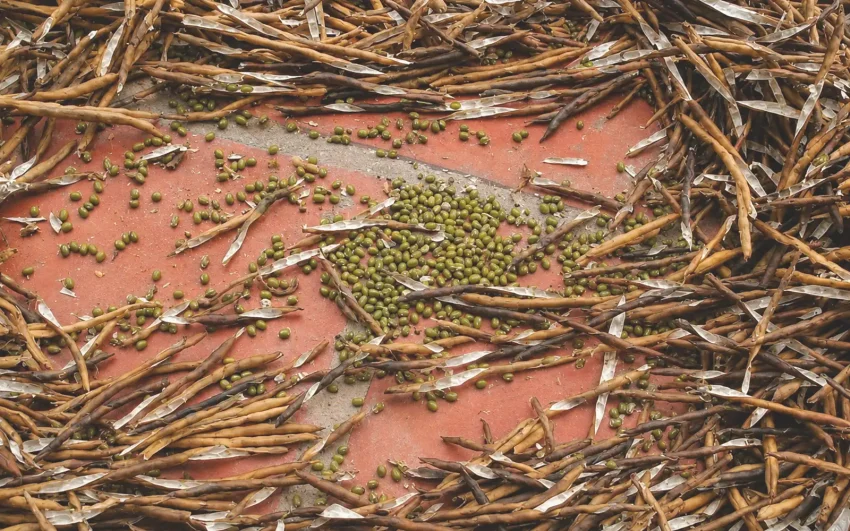

PETALING JAYA: Vietnamese scientists are exploring a new way to tackle diabetes using an unlikely source – discarded mung bean husks.
Researchers at the Vietnam Academy of Science and Technology (VAST) have developed a process to extract vitexin, a naturally occurring plant compound found in mung bean husks, and convert it into a nano-formulated ingredient designed to improve absorption by the body.
The team believes the resulting compound, known as nanovitexin, could eventually be used in health supplements aimed at supporting blood sugar management.
According to Vietnam News, the research is being led by Dr Ngo Thi Hoai Thu from VAST’s Institute of Biology.
Since 2022, VAST researchers have been investigating whether nanotechnology can enhance the effectiveness of vitexin by converting it into tiny particles that are more easily absorbed by the body.
The academy says the innovation could pave the way for new health-support products, particularly for people living with diabetes.
Mung beans (Vigna radiata) are of course familiar in Malaysian kitchens, commonly used in desserts such as bubur kacang hijau and sprouted to produce taugeh. Valued for their fibre, protein, vitamins and minerals, they are widely consumed across Asia and have long been used in traditional foods and remedies.
While further research and clinical testing are needed, scientists believe nanovitexin may offer greater therapeutic potential than conventional vitexin formulations.
Additionally, experts say converting agricultural by-products into higher-value health ingredients could help reduce food waste while creating new opportunities for the healthcare and nutrition industries.
The work comes as diabetes continues to pose a growing global health challenge. An estimated 589 million adults worldwide are living with the condition, the majority of them residing in low- and middle-income countries.