
PETALING JAYA: The second round of group matches often reveals which early impressions were real and which were merely opening night illusions.
Today’s four matches did exactly that.
Mexico strengthened their credentials without convincing, Canada surged forward despite a potentially devastating injury, Switzerland unearthed another emerging star, and South Africa kept their campaign alive.
1. The art of ugly wins
Mexico will not feature on many highlight reels from this tournament.
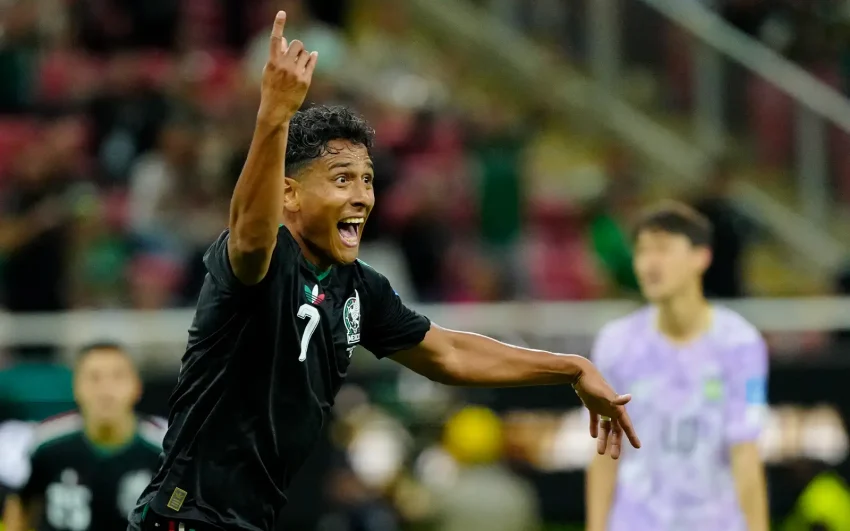
Their match against South Korea was a difficult watch. Chances were scarce. Tempo was almost non-existent. The crowd’s frustration became impossible to ignore.
Yet Mexico may have produced one of the most valuable performances of the tournament so far.
World Cups rarely reward the most entertaining teams. They reward the teams that understand moments, manage pressure and survive awkward nights. Mexico did all three.
Luis Romo’s goal came from a mistake, but good tournament sides punish mistakes.
More importantly, Mexico never looked vulnerable after taking the lead. South Korea enjoyed possession without creating genuine danger.
There remains a legitimate question over Mexico’s attacking quality. Group A has not offered the sternest examination and stronger opponents will expose any limitations.
But qualification is already secured while others continue calculating permutations.
That is the hidden value of ugly victories. They buy time, confidence and opportunity.
Mexico may not yet look like contenders. They do look like a team that understands tournament football.
2. Switzerland’s new weapon

Every World Cup introduces a player to a wider audience. Switzerland’s Johan Manzambi may have delivered that moment in Los Angeles.
His two goals against Bosnia-Herzegovina were impressive. His timing was even more significant.
Switzerland had controlled large stretches of the game but lacked urgency and imagination in the final third. The match was drifting towards frustration before Manzambi arrived and changed its direction.
The best young players do more than score goals. They alter the emotional temperature of a game.
Suddenly Switzerland played faster. Their attacks carried purpose. Bosnia looked uncertain. The entire contest shifted.
That matters because tournaments often hinge on unexpected contributors rather than established stars. Opponents spend months planning for Granit Xhaka, Breel Embolo and Dan Ndoye.
Very few prepare for a 20-year-old substitute capable of transforming a match in 15 minutes.
Switzerland entered the World Cup with a reputation for organisation. They may now possess something even more dangerous: a player capable of changing games on his own.
3.Canada’s cruel twist
Canada should be celebrating one of the most important victories in their football history.
Instead, concern dominates the conversation.
The 6-0 scoreline against Qatar confirmed the progress Jesse Marsch has overseen.
Jonathan David produced a first hat-trick. The attack looked ruthless. The belief inside the stadium was unmistakable.
Then Ismael Kone left the field. Everything changed.

Major tournaments often turn on a single injury. Not because one player guarantees success, but because certain players hold entire systems together.
Kone is one of those players. His athleticism allows Canada to press aggressively. His movement connects defence and attack. Remove him and the structure changes.
That is why coach Jesse Marsch’s emotional reaction resonated far beyond Canada.
The challenge now becomes psychological as much as tactical.
Canada have probably done enough to reach the knockout rounds. The question is whether they can carry today’s momentum forward if one of their most influential players cannot continue the journey.
4. Beyond Son?
The substitution itself was striking. The larger issue is what it represented.
For years, Son Heung-min has carried South Korean football’s hopes with remarkable consistency. He remains their biggest name, their biggest threat and often their biggest solution.
Against Mexico, however, South Korea looked like a team waiting for Son to rescue them.
He could not. That should concern them more than the defeat.
The fluid movement and quick combinations that impressed against Czechia largely disappeared. Mexico’s defensive structure deserves credit, but South Korea also looked short of ideas whenever Son failed to influence possession.
Great tournament teams share responsibility. Too much of South Korea’s attacking identity still revolves around one player.
At 33, Son remains capable of decisive moments. Few Asian footballers have sustained excellence at his level for so long.
But every World Cup eventually asks the same question. Can the next generation carry enough of the burden?
South Korea have yet to provide a convincing answer.
5. Nobody is dead yet
The expanded World Cup has changed the mathematics of risk.
Today provided another reminder. South Africa looked close to serious trouble before rescuing a draw against Czechia.
South Korea lost but remain favourites to progress. Bosnia suffered defeat yet have not been completely eliminated.
In previous tournaments, those situations might have felt terminal. Not anymore.
The expanded format has created a fascinating middle ground where almost every point carries value and very few teams disappear early.
That changes behaviour. Teams become more patient. Coaches become more pragmatic. The temptation to avoid defeat sometimes outweighs the desire to chase victory.
We arguably saw that in Guadalajara where neither Mexico nor South Korea seemed eager to take risks.
Purists may not enjoy it. Tournament managers probably do.
The final round of group matches will now feature more teams with genuine hope, more complex calculations and more pressure-filled decisions.
The World Cup has expanded. So has the drama.