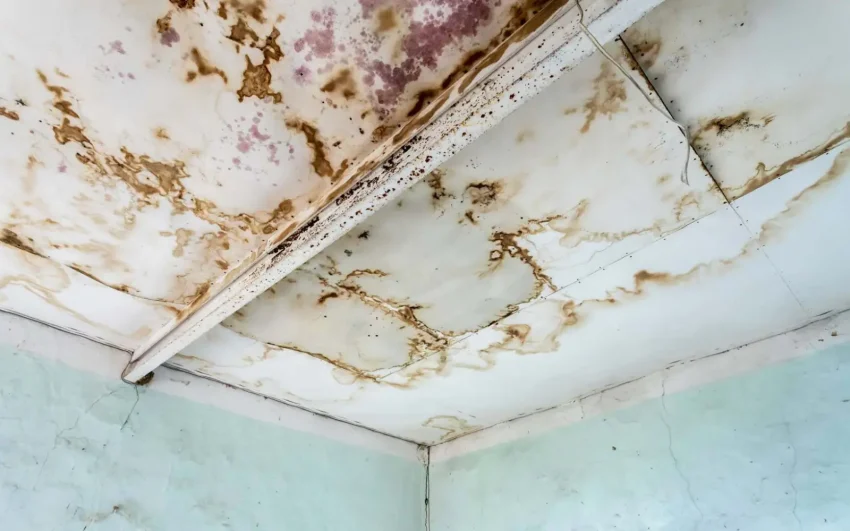

PETALING JAYA: You repaint the ceiling. The stain disappears. A few months later, it’s back.
For many Malaysians living in condominiums and apartments, that frustrating cycle is all too familiar. What looks like a minor ceiling leak is often the visible sign of a much bigger problem – one that may actually originate in your upstairs neighbour’s home.
Bathrooms, kitchens and balconies are typically stacked directly above one another, meaning water escaping from a damaged pipe, deteriorating waterproofing membrane, or poorly sealed floor can seep through concrete slabs before eventually appearing on the ceiling below.
The tell-tale signs often begin subtly: a yellowish stain, peeling paint or damp patches. Left unchecked, however, the problem can become far more costly.
Persistent moisture encourages mould and mildew growth, potentially affecting indoor air quality. Meanwhile, water that continues to spread through hidden layers of concrete can weaken finishes and increase repair bills.
It may even affect a property’s resale value, as visible water damage can raise concerns among prospective buyers about the condition of the unit.
Look beyond the stain
One of the biggest misconceptions about ceiling leaks is that repairing the damaged ceiling solves the problem. In reality, the leak itself may continue unseen inside the building structure, allowing moisture to travel until it eventually resurfaces elsewhere.
Experts say the priority should always be identifying where the water is entering, rather than simply repairing the cosmetic damage left behind.
Under Malaysia’s Uniform Building By-Laws 1984, wet areas such as bathrooms, kitchens and balconies must be constructed with waterproofing systems designed to prevent water from penetrating surrounding structures.
However, waterproofing systems can deteriorate over time. Poor workmanship during construction, ageing materials or incomplete repairs can all contribute to future leaks.

Because leaks frequently originate from another unit, resolving them often requires cooperation between homeowners, neighbours and the building’s management.
Experts recommend documenting the damage early and informing the management office if the source is suspected to come from another apartment.
Where the cause is unclear, a qualified building surveyor or waterproofing specialist may be able to determine whether the leak stems from plumbing, failed waterproofing or another structural issue.
While repainting or patching a damaged ceiling may restore its appearance temporarily, experts caution that the leak is likely to return unless the underlying cause is properly repaired.
What to do within 24 hours of spotting a ceiling leak
- Take photos immediately. Document the stain or leak from different angles, noting the date and time. This can help if the issue leads to an insurance claim or dispute with a neighbour.
- Inform your building management. In condominiums and apartments, the source may be in another unit. Notify the management office as soon as possible so they can help investigate.
- Contact your upstairs neighbour. If the leak is likely coming from above, approach your neighbour politely and explain the situation. Early communication can prevent the problem from worsening.
- Move valuables out of harm’s way. Relocate furniture, electronics and important documents if they’re beneath the affected area. Place a bucket or container under any active drips.
- Don’t simply paint over the stain. Covering up water marks may improve appearances temporarily, but it won’t stop the leak if the underlying problem remains.
- Arrange a professional inspection. If the source isn’t obvious, a qualified plumber, building surveyor or waterproofing specialist can help identify the cause and recommend the appropriate repairs.