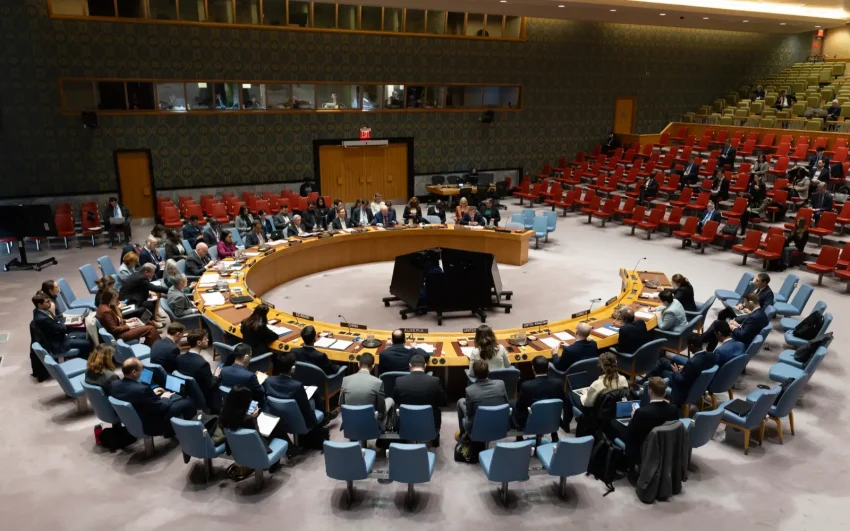
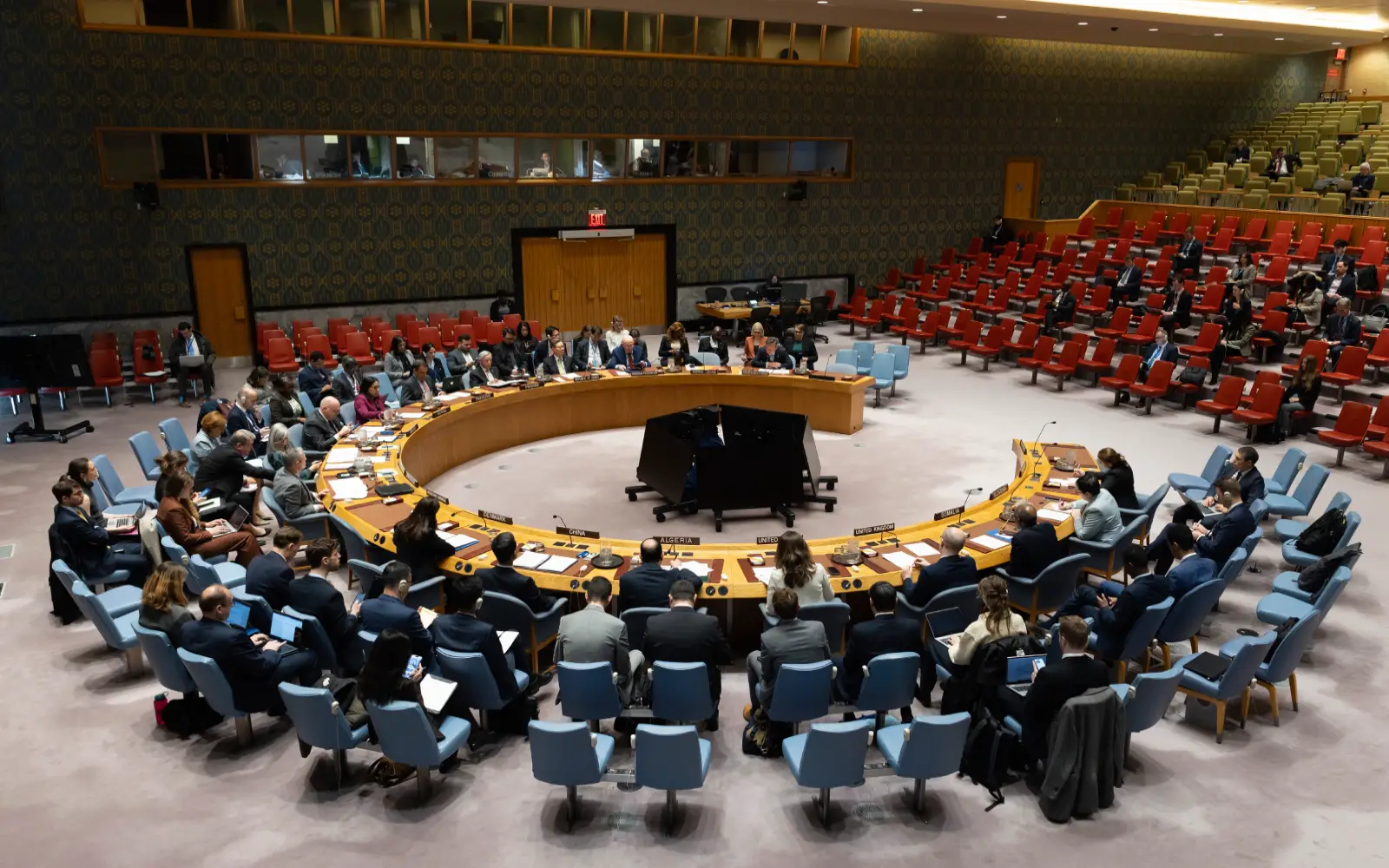
KUALA LUMPUR: Malaysia has submitted its candidacy for a non-permanent seat on the United Nations Security Council (UNSC) for the 2036-2037 term, says deputy foreign minister Lukanisman Awang Sauni.
Speaking in the Dewan Rakyat, he said the bid built on Malaysia’s record as a four-time non-permanent member of the council.
He said Malaysia would prioritise UNSC reform, particularly the abolition of the veto, alongside efforts to promote global peace and security.
“At the very least, the veto must not be used in cases involving serious violations of international law, such as war crimes, genocide and crimes against humanity,” he said.
He was responding to Sh Mohmed Puzi Sh Ali (BN-Pekan), who asked about the country’s position on the imbalance created by the veto and its strategy for pushing for UN reform.
If elected, Malaysia will serve a two-year term on the UN’s most powerful decision-making body, allowing it to vote on conflicts, sanctions, peacekeeping operations and threats to international security.
Malaysia last held a non-permanent seat on the council from 2015-2016. It previously served in 1965, from 1989-1990 and 1999-2000.
The seat will not carry veto power, which is reserved for the council’s five permanent members: China, France, Russia, the UK and the US.
Lukanisman said repeated use of the veto had undermined the council’s credibility and prevented it from carrying out its responsibility to maintain international peace and security, including over Gaza.
He said Malaysia also backed expanding the number of permanent and non-permanent council members to ensure fairer regional representation, reflecting current geopolitical realities.
Citing UN General Assembly resolution 76/262 from April 2022, Lukanisman said the assembly must convene within 10 working days of any veto being cast, with the permanent member concerned expected to explain its decision to the wider UN membership.
Fadhli Shaari (PN-Pasir Mas) said that amending the UN Charter would require the backing of two-thirds of UN member states as well as ratification by all five permanent council members, and asked whether Malaysia would lead a coalition of like-minded countries to campaign for limits on the veto.
Lukanisman said the ministry would study the proposal, though he acknowledged that building such a coalition would take time and require substantial international support.