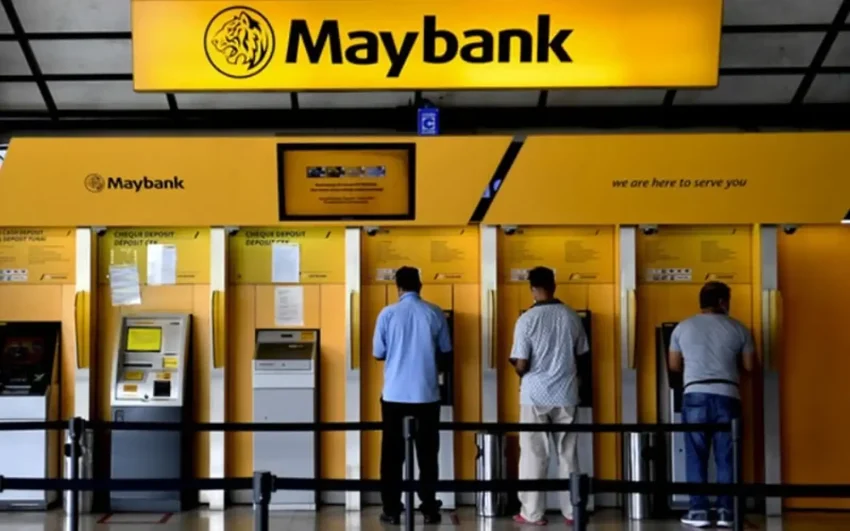

JAKARTA: Indonesian authorities have questioned bankers at the local unit of Malayan Banking Bhd as part of an investigation into suspected export flows involving the Salim Group that may have understated the actual value, according to people familiar with the matter.
The queries focussed on transactions related to the export activities of PT Salim Ivomas Pratama, one of Indonesia’s largest palm oil producers, the people said, asking not to be identified because the probe is not public.
Bankers from Maybank Indonesia carried boxes of documents to the attorney-general’s office last week to be questioned as witnesses, they said.
Authorities are examining whether some goods were invoiced below market value in an attempt to conceal profits and reduce taxes. They said last month they were investigating 10 major palm oil producers in the country for the alleged manipulation of crude palm oil export prices, although it is unclear whether PT Salim Ivomas Pratama is among the companies being probed.
During the questioning of Maybank staff, it was not clear whether any wrongdoing was established. Neither the company nor the bank has been accused of misconduct.
Maybank Indonesia said it “remains committed to maintaining the highest standards of governance and compliance, and cooperates with relevant authorities in accordance with applicable laws and regulations”, a spokesman said in response to Bloomberg queries.
The spokesman added that the bank is unable to comment on customer relationships or any matters that may be subject to regulatory or legal review, as a matter of policy.
A spokesman for the attorney-general’s office declined to comment. PT Salim Ivomas Pratama did not respond to requests for comment.
Maybank Indonesia’s exposure to PT Salim Ivomas Pratama is relatively modest at around 150 billion rupiah (US$8.3 million), according to the company’s latest financial statement. However, the lender has for years been a key banking partner to the broader Salim Group. It is unclear whether other banks linked to the group have been questioned.
Investigators are seeking information on banking facilities extended to the company and the nature of its financing arrangements. The lender provided revolving credit facilities intended for working capital needs, rather than specifically to fund exports, the people said. Authorities are examining whether any of the facilities were connected to transactions now under scrutiny.
While further details of the investigation remain unclear, the questioning of bankers signals that authorities are widening their probe beyond exporters to include financial institutions that facilitated commodity-related transactions.
Indonesia’s financial markets are also facing heightened scrutiny. The central bank unexpectedly raised its key interest rate in an off-cycle decision on Tuesday, seeking to support the rupiah after a sell-off in equities and bonds fuelled capital outflows.
Market participants have expressed unease over a series of policy initiatives that expand the state’s role in directing investment and managing strategic sectors of the economy.
Last month’s export crackdown marked one of the clearest signs yet that president Prabowo Subianto is moving aggressively to tackle what he sees as leakages in Indonesia’s natural resources sector. Sales will eventually be conducted by a government-appointed exporter under the control of sovereign wealth fund Danantara to ensure that proceeds are no longer routed offshore.
Since taking office in 2024, Prabowo has sought to harness the country’s raw materials and crack down on tycoons and traders he accuses of siphoning off wealth that should accrue to the state.
PT Salim Ivomas Pratama is part of the Salim empire, one of Indonesia’s largest family-owned conglomerates, with businesses spanning food and agriculture to mining and data centers. It dates back to the early 1970s, founded by Soedono Salim, and is now led by his son, CEO Anthoni Salim.