
KUALA LUMPUR: The discovery of hiker Jaslinda Saludin alive after two weeks in the wilderness has highlighted the importance of preparation, discipline, and basic survival knowledge when venturing into remote terrain.
The 49-year-old was found safe after going missing during the Trans Spencer Chapman expedition near Gunung Batu Putih in Perak, bringing a welcome end to a search effort that captured national attention.
While every situation is different, outdoor experts say many hiking ordeals can be better managed through proper planning, the right equipment, and knowing how to react when things go wrong.
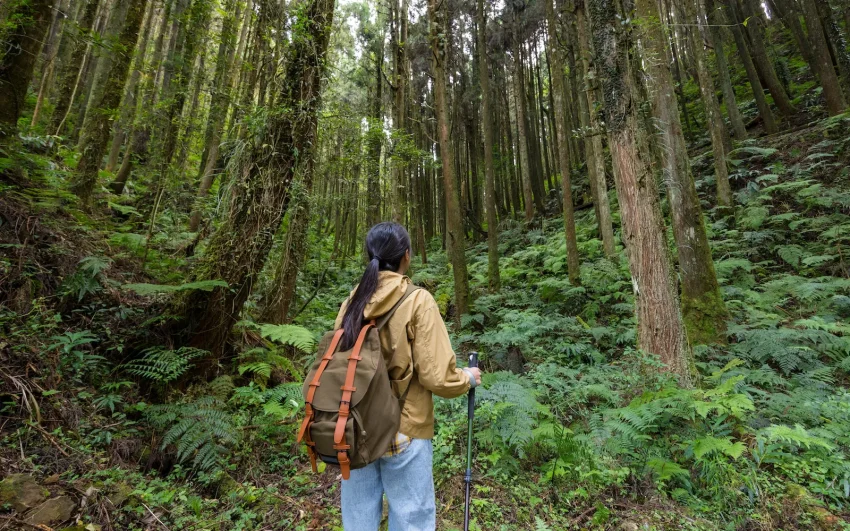
Prepare before you step foot on the trail
Outdoor activities trainer Hafiz Nordin says hikers should assess their fitness levels before deciding on a route, as different trails require different levels of endurance, preparation and equipment.
Hikers should carefully plan their trips by first checking weather forecasts, setting realistic schedules, and determining target times for reaching the summit and descending.
Essential items include a first aid kit, whistle, emergency blanket, fire-starting tools, and a knife or machete that may prove useful in an emergency.
While GPS devices and smartwatches can help with navigation, Hafiz cautions against relying solely on technology.
“Those who frequently hike at elevations above 2,000m should equip themselves with at least basic navigation and survival skills, which can be crucial when faced with unexpected circumstances,” he said.
He also encourages hikers to follow the internationally recognised Leave No Trace principles, avoid hiking alone and maintain regular communication with fellow participants.
“Maintaining good communication within the group helps foster the buddy system naturally, as hikers become more aware of the condition and whereabouts of their fellow participants.
“Meanwhile, hikers who become exhausted should rest and seek assistance rather than push themselves beyond their limits,” he added.
If you’re lost, don’t panic
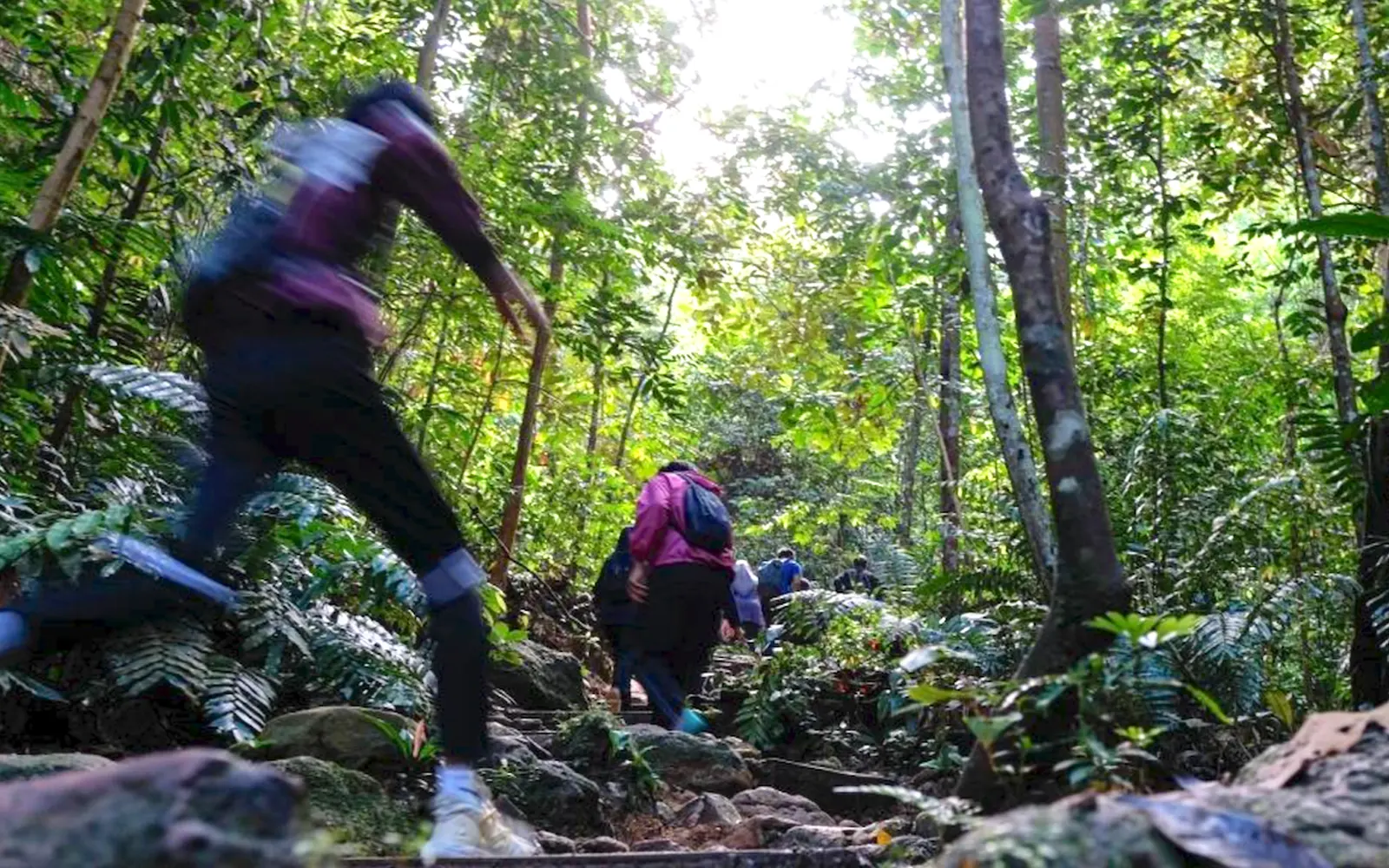
According to former General Operations Force survival training instructor Abdul Hamid Awang Ahmad, panic is often what turns a manageable situation into a dangerous one.
“When a person realises they are lost, the first thing they should do is remain calm,” said Abdul Hamid, who has more than 30 years of experience in survival training.
“Many people become lost or go missing because they panic and keep moving without a plan.”
If movement is necessary, he advises leaving markers along the way, such as scratches on tree trunks, brightly coloured cloth tied to branches, or notes indicating the direction of travel.
He also urges hikers to conserve energy, avoid travelling at night, and find a suitable place to shelter before darkness falls.
“Avoid continuing your journey in the dark because the risk of encountering wild animals is higher at night,” he cautioned.
Starting a fire should be among the top priorities in an emergency, he added, as it provides warmth, helps deter wild animals, and can serve as a signal for rescuers.
He also noted that basic knowledge of food sources such as fruit can be useful if supplies run low, but hikers should never assume that everything found in the forest is safe to eat.
Abdul Hamid further advises hiking groups to inform family members of their plans, notify the nearest police station before entering high-risk forest areas and, where possible, inform nearby Orang Asli communities of their presence.
“They possess extensive knowledge of the forest and the surrounding terrain. In an emergency, the information they have can provide valuable clues that help speed up search efforts,” he stressed.