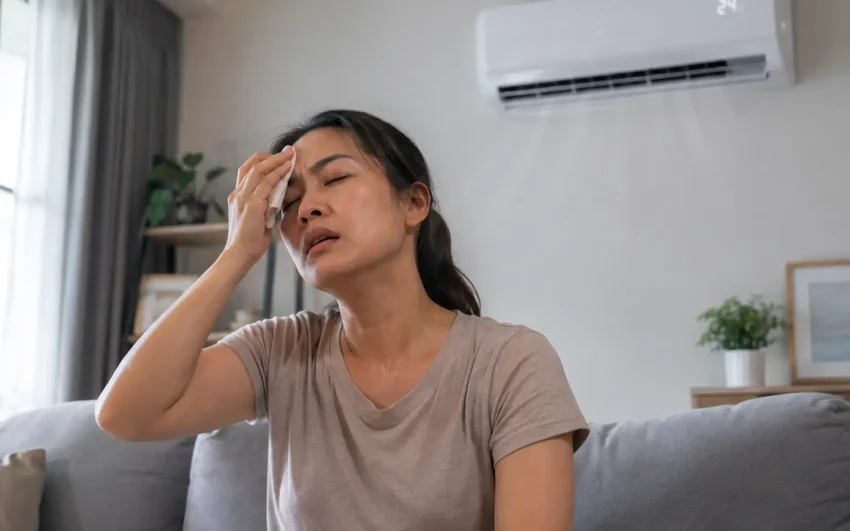

KUALA LUMPUR: Malaysians are all too familiar with humidity. It’s there in the damp towels that never seem to dry properly, the faint musty smell hiding in wardrobes, and the uncomfortable heaviness that lingers in bedrooms after rain.
Many simply accept it as part of tropical living. But that discomfort may actually be affecting your health, sleep and quality of life more than you realise.
What was once viewed as an inconvenience is now becoming part of a wider conversation about healthier homes and indoor wellbeing.
According to market research, demand for humidity-control solutions in Malaysia is expected to continue growing steadily over the next few years.
The shift comes as more people start connecting excessive indoor humidity to problems such as mould in the home, damp smells, and allergies and respiratory irritation. Children, older adults, and those with asthma or sinus conditions are often among the most affected.
Health experts say humidity levels above 60% create ideal conditions for mould, mildew and dust mites to thrive, especially during wetter monsoon seasons.
But the effects of humidity are not always dramatic or immediately obvious. Sometimes they appear gradually: a wardrobe that smells stale, bedsheets that feel damp at night, condensation on windows.
Even electronics, furniture and important documents can deteriorate over time because of trapped moisture in the air.
While households have traditionally relied on air conditioning to cope with discomfort, cooler temperatures do not necessarily mean humidity has disappeared. A room can still hold excess moisture despite feeling cold.

According to Justin Choi, who works in the consumer electronics industry, awareness around humidity often changes once homeowners actually measure indoor moisture levels.
“People are often surprised when they discover how humid their homes really are,” he said. “Once you see indoor humidity readings reaching 75% or 80%, you start understanding why clothes won’t dry properly and rooms feel stuffy.”
The issue may also be more noticeable today because modern urban lifestyles have changed how Malaysians live. Smaller apartments, limited ventilation, and indoor laundry drying all trap moisture more easily, especially during rainy periods.
Experts say simple daily habits can also make a meaningful difference. Improving ventilation remains one of the easiest ways to reduce humidity, particularly in kitchens and bathrooms where moisture tends to build up quickly.
Opening windows whenever weather permits, using exhaust fans, and avoiding drying large amounts of laundry indoors can help air circulate more effectively.

Where possible, hang laundry up to dry in the sun to reduce damp and mustiness. Allowing sunlight into rooms during the day can also help reduce dampness and slow mould growth in dark corners of the home.
Pay attention to moisture-prone spaces such as wardrobes, shoe cabinets and storage rooms, where poor airflow often allows musty odours and mildew to develop.
For homes with persistently damp conditions, dehumidifiers are an increasingly popular option. Unlike air conditioners, these are specifically designed to remove excess moisture, helping rooms feel fresher and less stuffy.
Many newer models now include humidity sensors, automatic settings, and laundry-drying functions designed for tropical climates and rainy weather.
Ultimately, a healthy living space is not simply about cold air or stylish interiors. It is about creating a home that feels breathable, restorative and genuinely comfortable to live in.