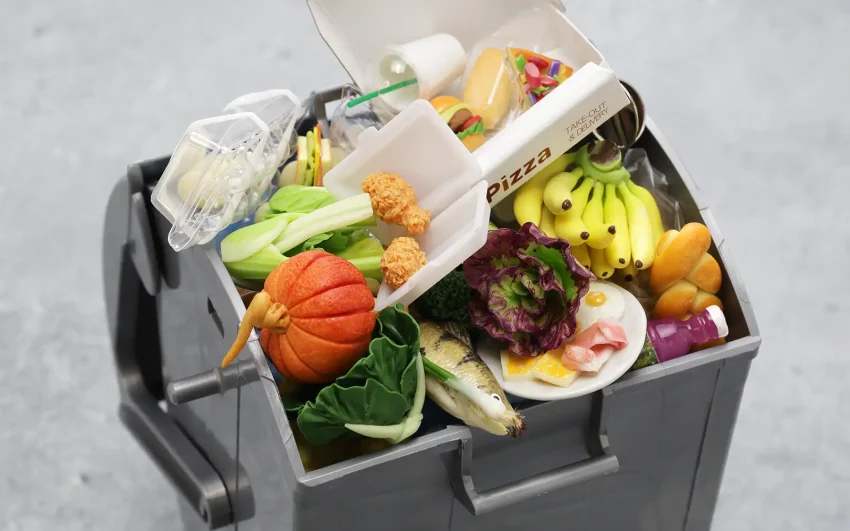
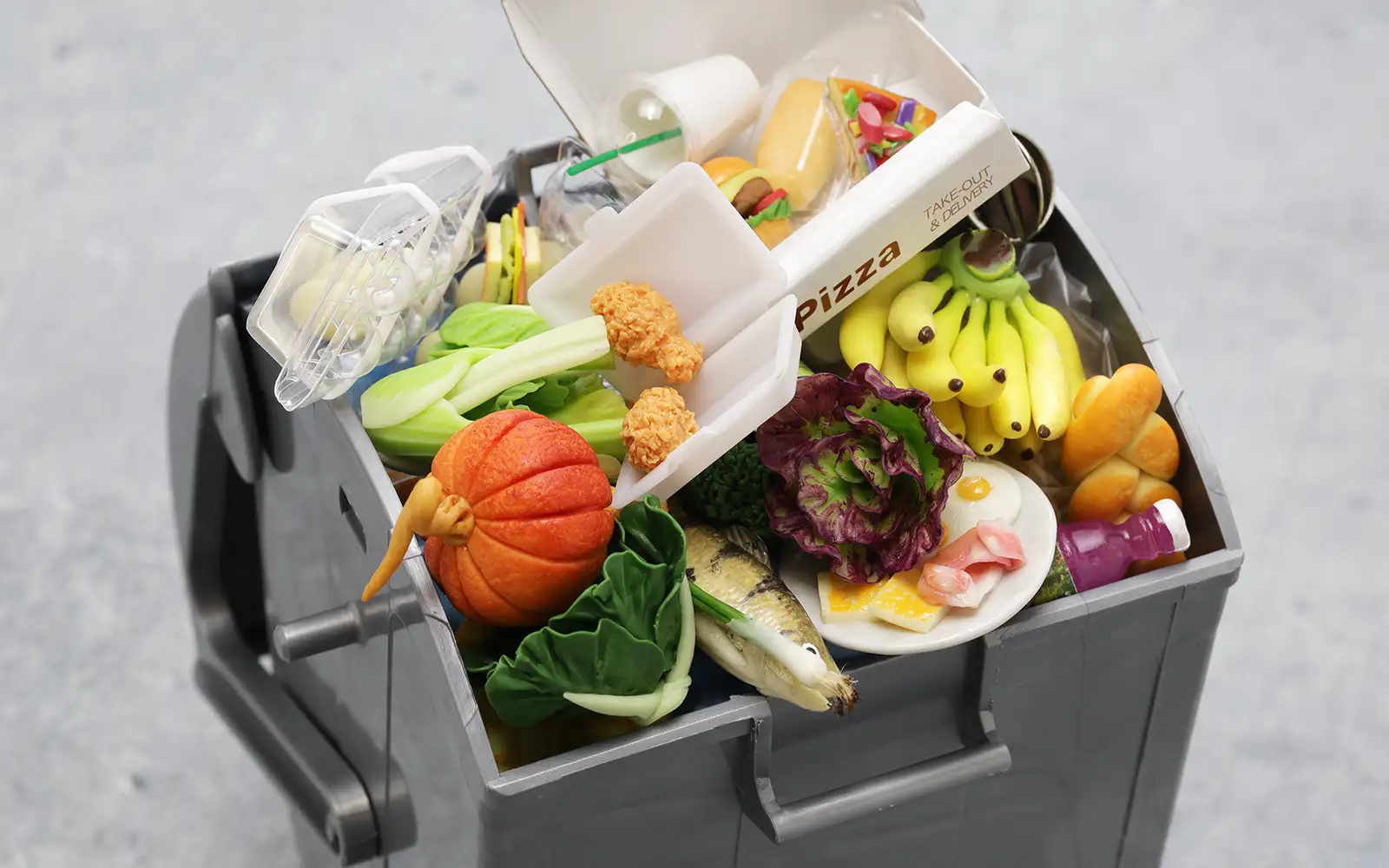
KUALA LUMPUR: Malaysia generates an estimated 17,000 tonnes of food waste every day, enough to provide three meals daily for three million people. The problem is particularly visible during festive periods, when weddings, open houses, bazaars and buffets often result in large quantities being discarded.
According to Sophia Lim from WWF-Malaysia, food waste accounts for about 8-10% of global greenhouse gas emissions, making it a significant environmental challenge that has implications on biodiversity, marine ecosystems, and resource security.
On World Environment Day today, certain local businesses, shopping malls and educational institutions are finding creative ways to tackle the issue.
Pavilion Bukit Jalil, Pavilion Kuala Lumpur and Intermark Mall have been collecting food waste from restaurant kitchens since 2024. This waste is then processed using a composting machine that converts every 1,000kg into about 200kg of fertiliser and 800 litres of reusable water.
Between January 2024 and April this year, the machine processed more than 455,000kg of food waste and produced over 43,000kg of fertiliser.
Some of the fertiliser is supplied to Kuala Lumpur City Hall (DBKL) for landscaping projects, while another portion is used in herb gardens.

Meanwhile, food services and facilities management company Sodexo relies on technology to identify where food waste occurs and how it can be prevented.
Its WasteWatch system tracks food waste in real time and helps kitchen teams make better decisions about purchasing, preparation and production.
Assistant operations director Rhoni Dasril said the platform replaces guesswork with data, allowing managers to understand exactly how much food is being wasted and why.
“From retrospective guesswork, WasteWatch shifts the approach towards predictive operational management, helping us move closer to our goal of reducing food waste by 50%,” he said.
Since its introduction across Asia-Pacific in 2018, the system has helped prevent more than 100 metric tonnes of food waste and reduced carbon emissions by more than 700 tonnes in Malaysia.
Kitchen teams use smart scales and digital monitoring systems to distinguish between preparation waste, expired stock and customer plate waste, with the information uploaded to a cloud-based analytics platform.
“If the data shows that a particular dish is consistently overproduced on certain days, we can quickly adjust production schedules and procurement plans to minimise waste,” Rhoni explained.

Furthermore, efforts to tackle food waste are extending into classrooms. A recently launched Best Practices on Waste Management and Responsible Sourcing Guidebook aims to help hospitality businesses and future industry professionals adopt more sustainable practices.
Developed through a collaboration involving WWF-Malaysia and two others, the guidebook features Malaysian case studies and practical tools for reducing waste.
The guidebook is already being used in selected courses at Taylor’s University and is expected to be adopted by UCSI University.
With World Environment Day shining a spotlight on sustainability, the growing number of food-waste initiatives suggests that meaningful environmental action can begin with something as ordinary as the leftovers on our plates.