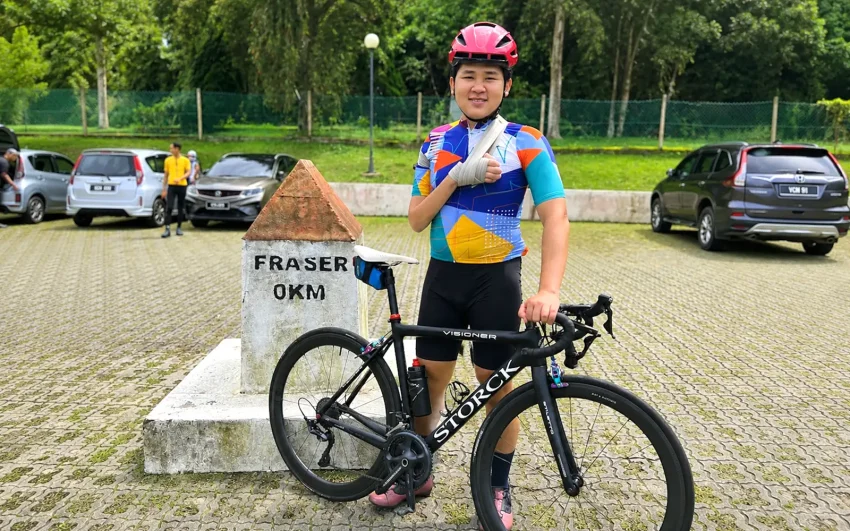
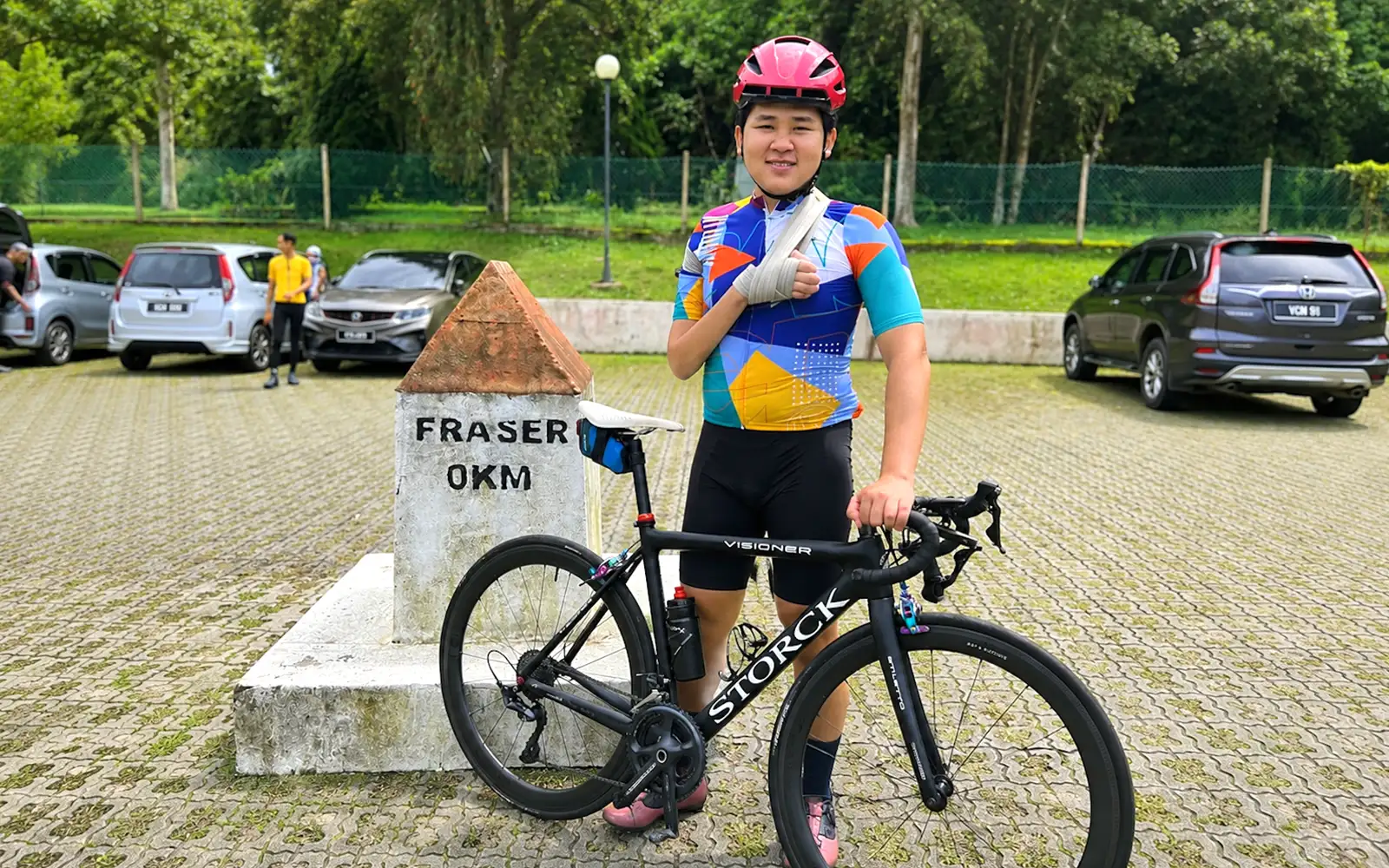
SHAH ALAM: For Furqan Adzhar, the Guthrie Corridor Expressway offers the same thing it does for many other cyclists – long stretches of road, the chance to push himself, and the simple joy of being on two wheels.
Unlike most cyclists, however, he does it with one hand.
“People always ask me, ‘You still cycling?’” the 35-year-old told FMT Lifestyle with a laugh. “They think I lost the use of my arm just recently.
“When I tell them it’s already been many years, they’re like, ‘Oh, power lah.’”
Furqan lost the use of his right arm in a motorcycle accident in 2012. Today, when people see him, some stop to take photos. Others video-call their friends to show them the cyclist riding with just one functioning arm.
The Shah Alam native takes it all in stride. Sometimes, he even joins in the jokes.
After all, cycling has never been about proving a point. “What I feel is freedom,” he said. “What I thought was impossible for a one-handed person is actually possible.”
While cycling had been part of Furqan’s childhood, he had never pursued it seriously as a sport. But during pandemic lockdowns, he dusted off an old bicycle and decided to give it another try.
He’d had reason to be apprehensive: “You are on the road. You are going quite fast. With one hand, it felt a bit unfathomable to control your balance.”

Still, curiosity got the better of him. Borrowing a mountain bike from his brother, he headed to the hilly terrain around Taman Lembah Shah Alam and decided to find out if he could still ride.
He recalls thinking, “If I can’t make it, then I won’t start cycling again.” Or, as he jokingly put it: “If I die, die.”
But then something clicked. “It ignited my spark, my love for two wheels again.”
That passion made adapting easier. He modified his bicycle himself, moving all the controls to one side so they could be operated with a single hand.
Today, Furqan cycles on Tuesdays and Thursdays around Shah Alam and spends weekends training at Guthrie, clocking around four hours of riding every week.
And he has since reaped the health benefits: before taking up cycling, he had begun feeling less energetic and assumed it was simply part of getting older.
Cycling challenged that belief. “After a couple of years, I lost fat, gained muscle and felt much healthier. Honestly, I feel fitter now than when I was 18.”
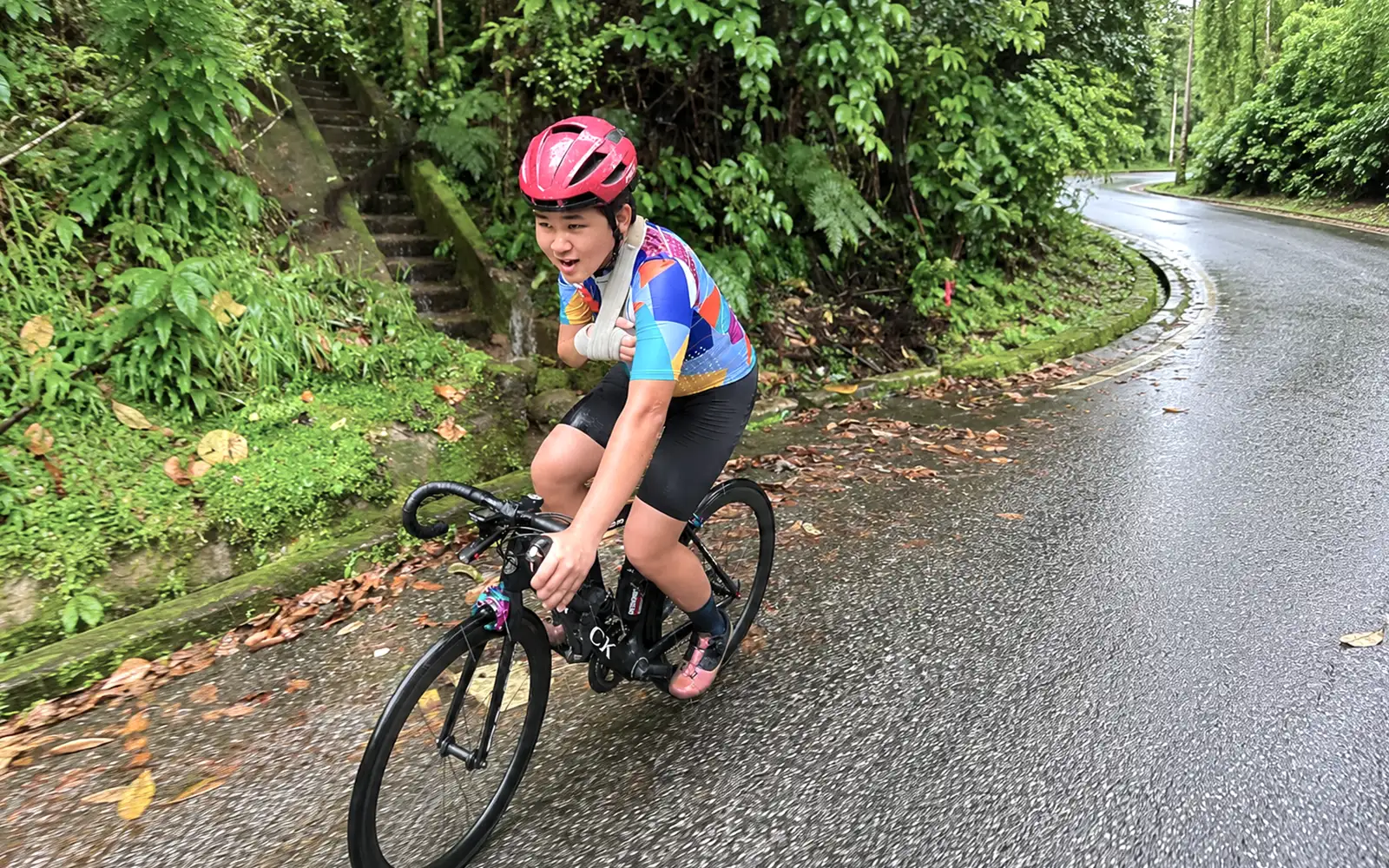
He has since completed rides of up to 200km in a single day, spending seven or eight hours in the saddle.
Now, he is preparing for the open category of the Selangor King of the Mountain challenge in September.
Furqan’s transformation was not only physical: like many people living with a disability, he spent years wrestling with difficult questions about the future.
“You ask yourself, ‘What did I do to deserve this?’ You wonder what the future will hold,” he said.
Cycling became an escape from those thoughts. “It’s basically meditation time. You cut out all the noise from the outside world because you’re focused on what you’re doing.”
That sense of peace is why he encourages others, especially those with disabilities, not to give up on exercise.
“Your disability shouldn’t define you,” Furqan stressed. “No matter what happens, life goes on and you need to take care of yourself.
“It shouldn’t become a tombstone for where you will be and what you will do.”